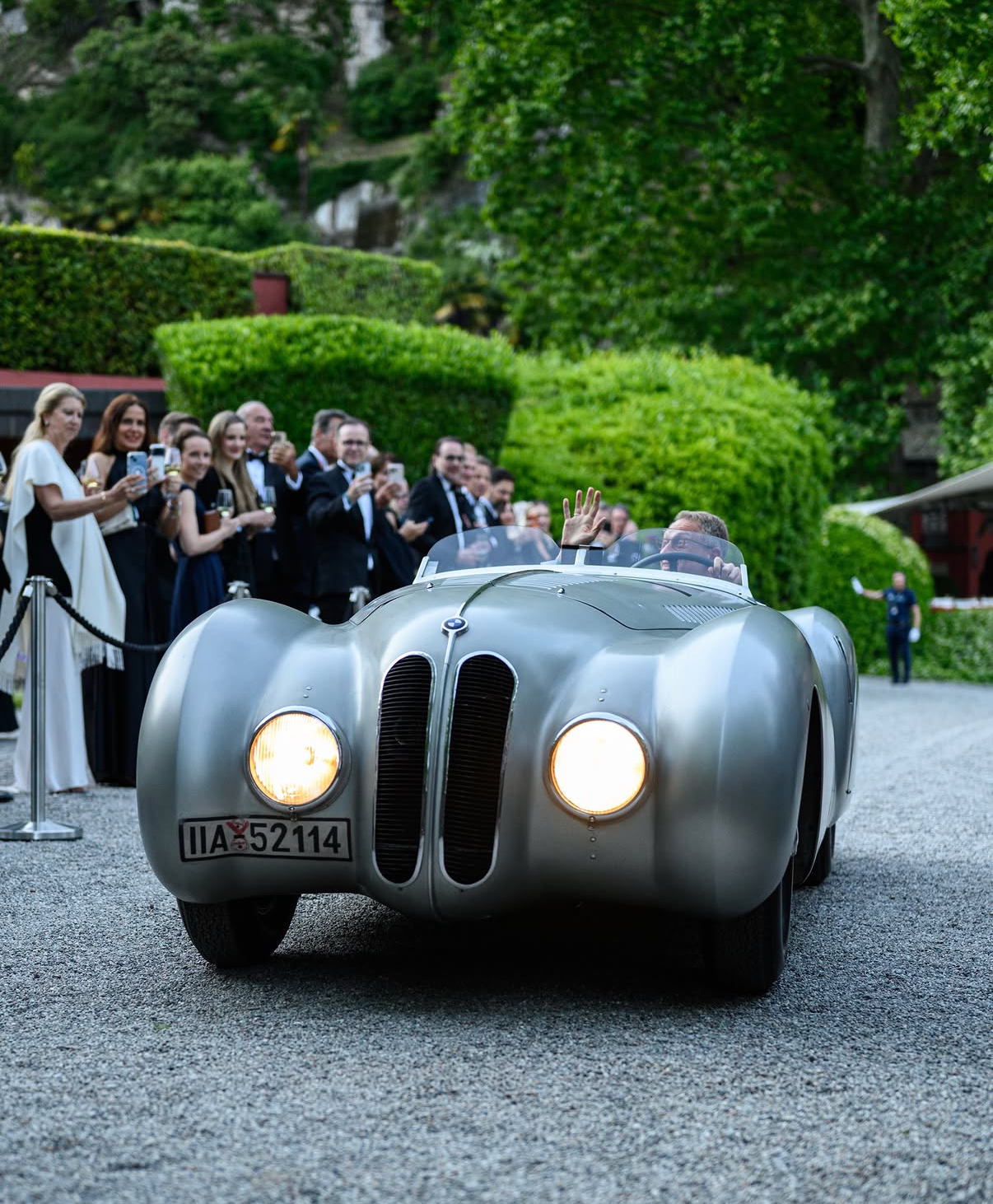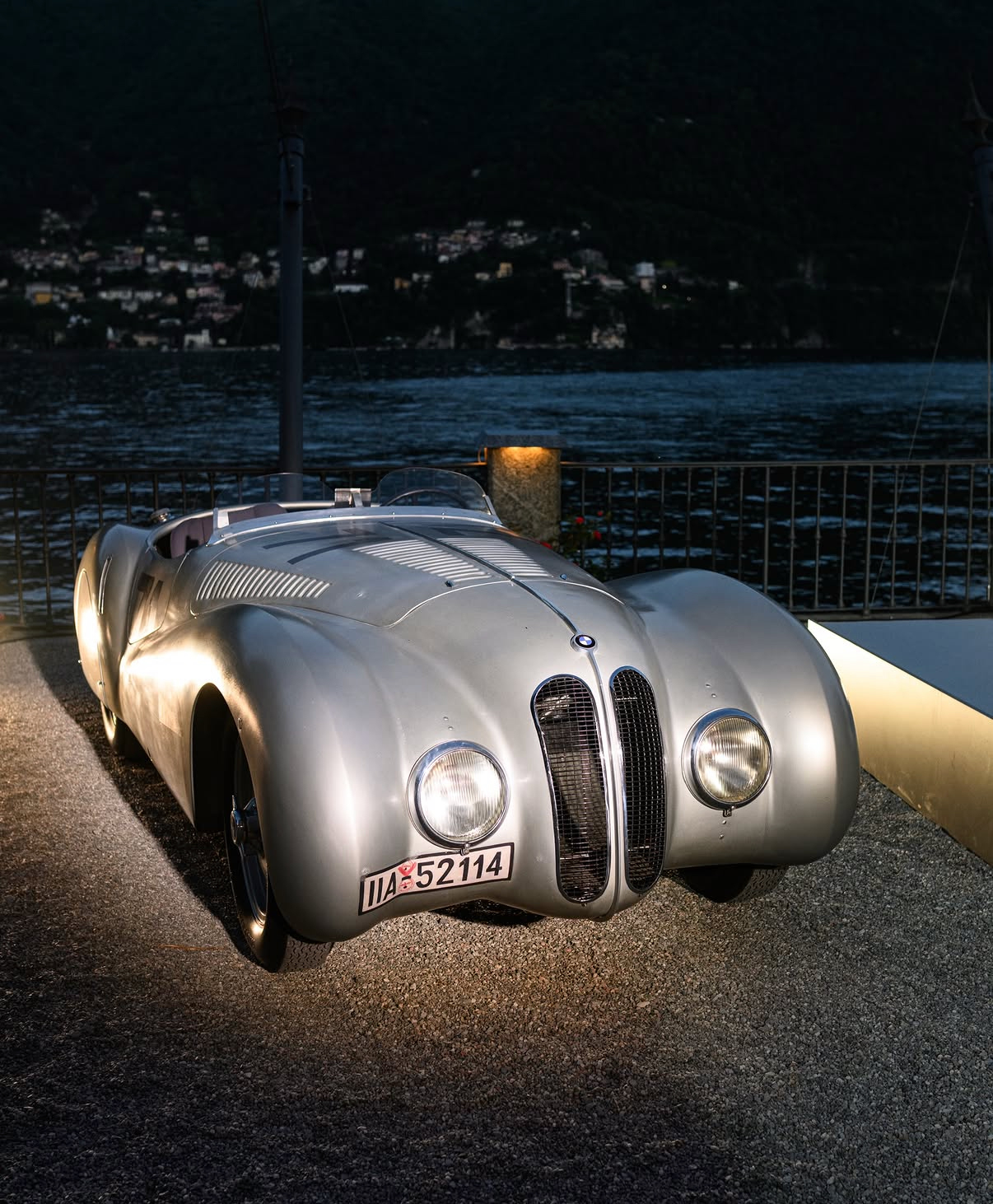

At the 2026 Concorso d’Eleganza Villa d’Este, the BMW 328 Mille Miglia “Bügelfalte”, chassis 85032, was awarded the Trofeo BMW Group – Best of Show by the Jury.
“I want to thank everyone who made it possible for this car to be here today — and the Concorso, for giving it the chance to tell its story. There are a lot of emotions right now.”
— Stefano Martinoli, on behalf of Progetto 33

Built in May 1937 for BMW’s experimental department, chassis 85032 became one of the most active works cars in the company’s pre-war motorsport programme. It ran the 24 Hours of Le Mans in 1937, the Tourist Trophy twice, the Deutsche Alpenfahrt twice, and made its Mille Miglia debut in 1938, winning the two-litre class. No car of its era did more to build BMW’s sporting reputation in competition.
Then it became something else entirely. In the autumn of 1939, BMW reconfigured it for the 1940 Mille Miglia — fitted with an open, streamlined body marked by a distinctive pressed edge running along the front and rear wings. Chief stylist Wilhelm Meyerhuber drew the line; the aerodynamics were developed with Wunibald Kamm, the pioneer often called the father of modern automotive aerodynamics. The shape gave the car its nickname: Bügelfalte — the trouser crease. The complete body weighed 103 kilograms.
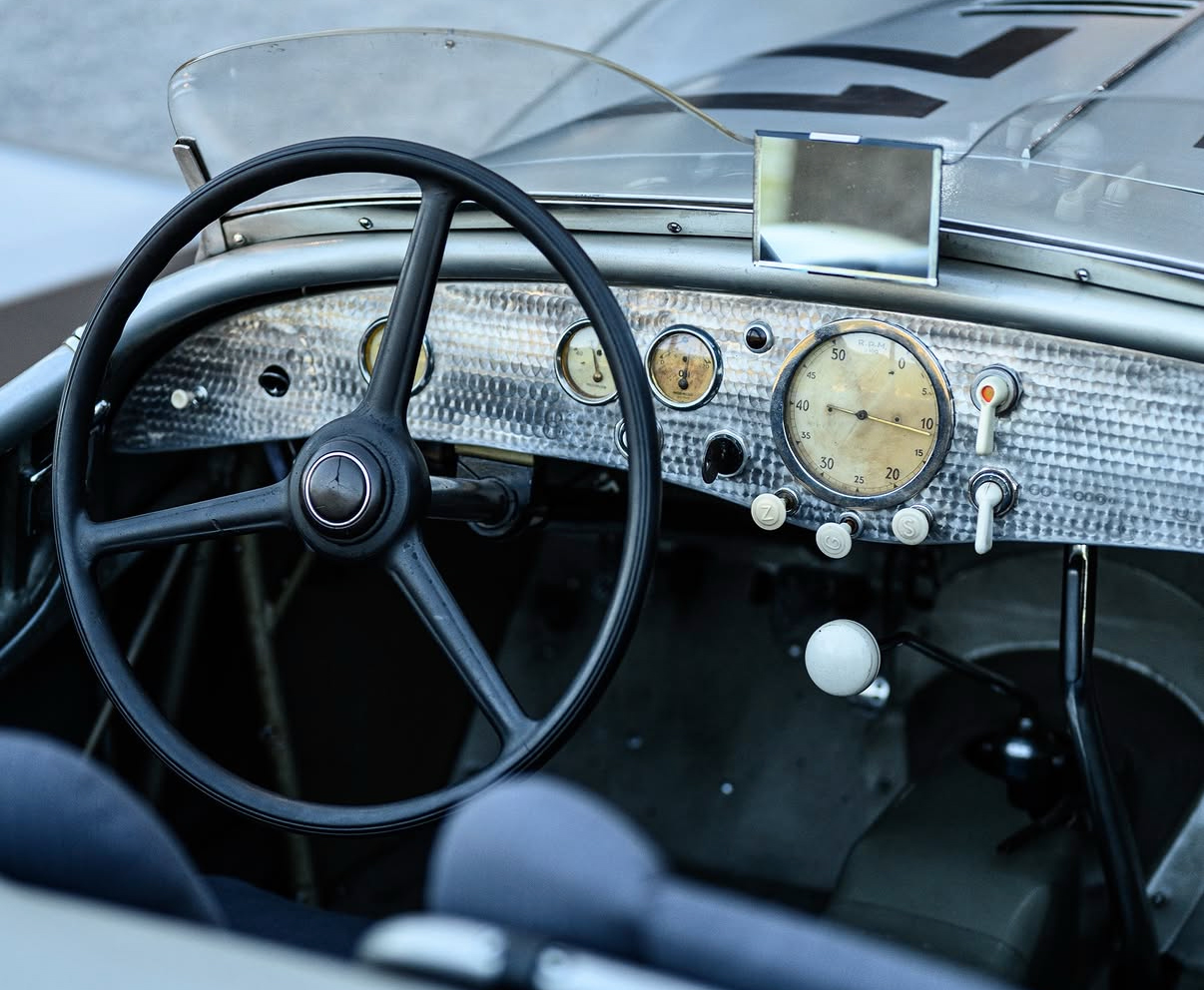
The bodywork was conceived to meet a demanding sporting target — yet the creases pressed along its wings became a stylistic seam that anticipated a design language the industry would embrace in the two decades following the war. Technically and aesthetically, the Bügelfalte was ahead of its time.
For the 1940 Mille Miglia, output was raised from 80 to 130 hp and weight reduced to 725 kilograms. Carrying race number 71, the Bügelfalte finished sixth overall.
It is the only special roadster entirely designed and built at BMW’s Munich plant, and the only one of the five works cars entered at the 1940 Mille Miglia to survive in largely original condition.
Never fully restored. Meticulously preserved.