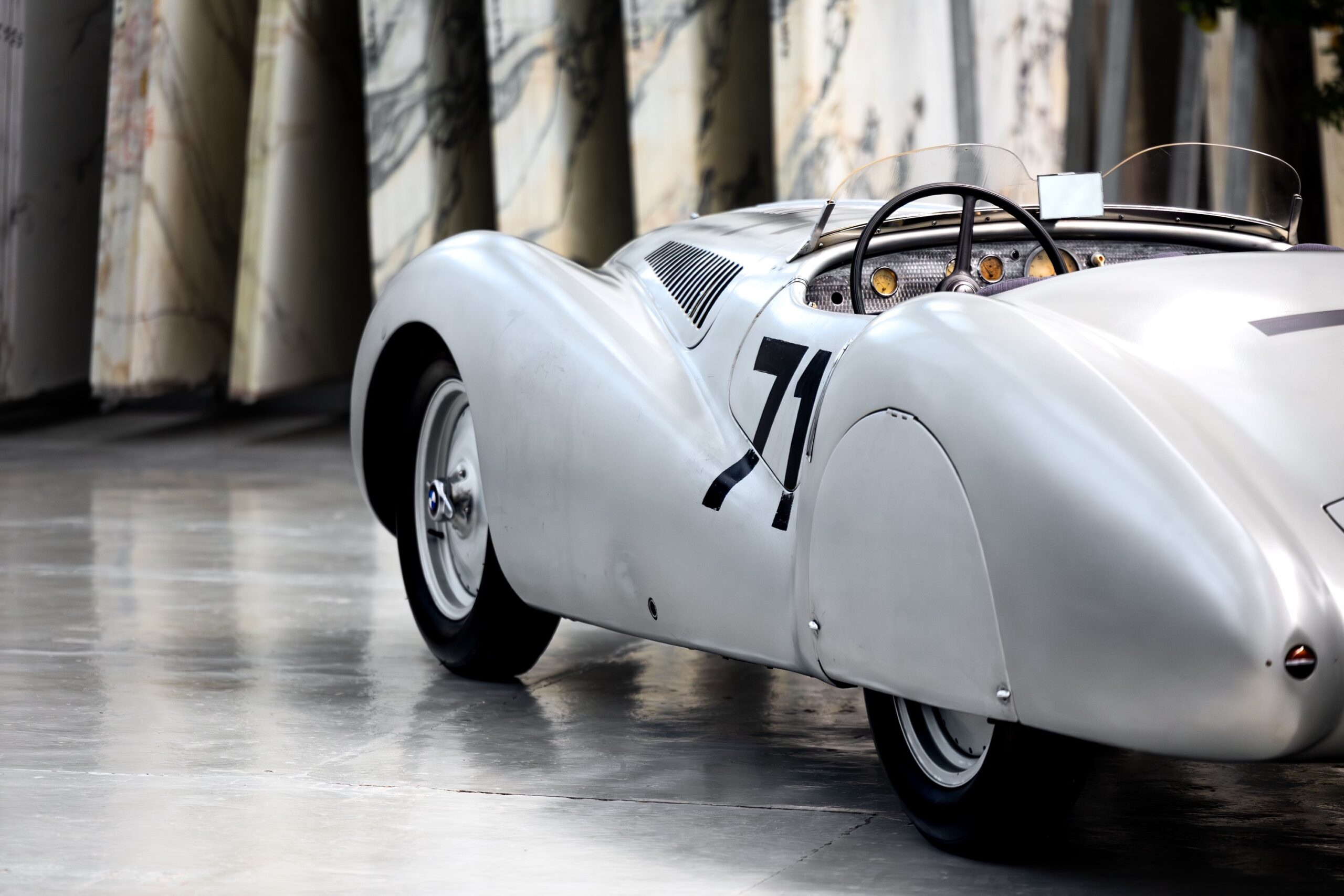
The BMW 328 MM Bügelfalte Chassis #85032 wins the Best of Show at Concorso d’Eleganza Villa d’Este 2026 Classe B — Future Couture: Dressed for Speed
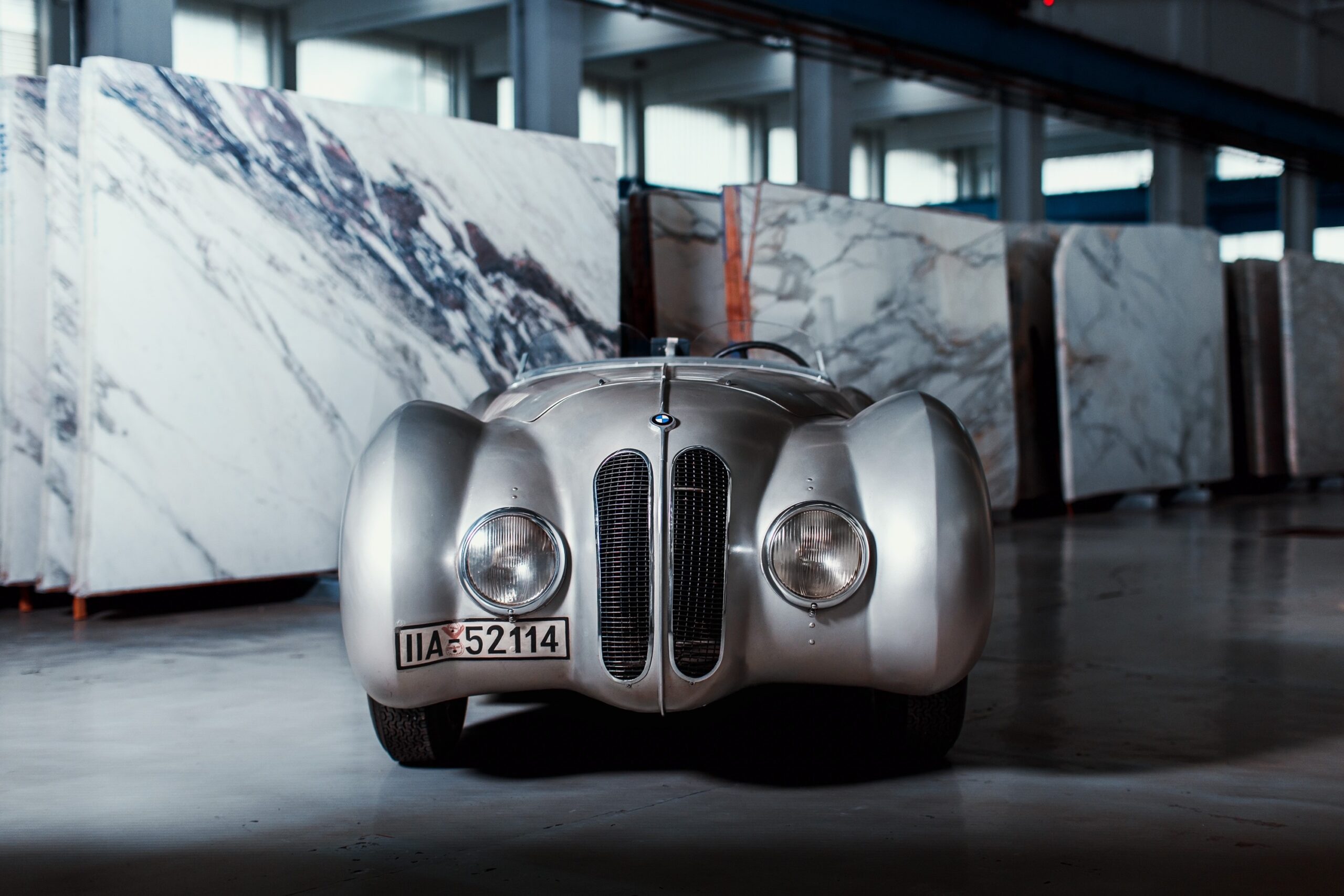
Introduction
On the morning of 29 April 1940 — the day after the Gran Premio di Brescia delle Mille Miglia — Alfred Neubauer wrote a memorandum to the board of Mercedes-Benz. Neubauer’s job was to win races. And he had just watched a small Bavarian manufacturer, with a two-litre engine and no supercharger, beat everything else on the road. His conclusion was unequivocal. BMW had arrived in motorsport as a competitor with both talent and ambition. Their victory was, in his own words, “dominant and remarkable.” In the same memorandum, he went further. He noted the superiority of the open roadster — its bespoke bodywork flawless after 1,600 kilometres at speeds approaching 200 km/h, its trouser crease still impeccably traced along the fenders.
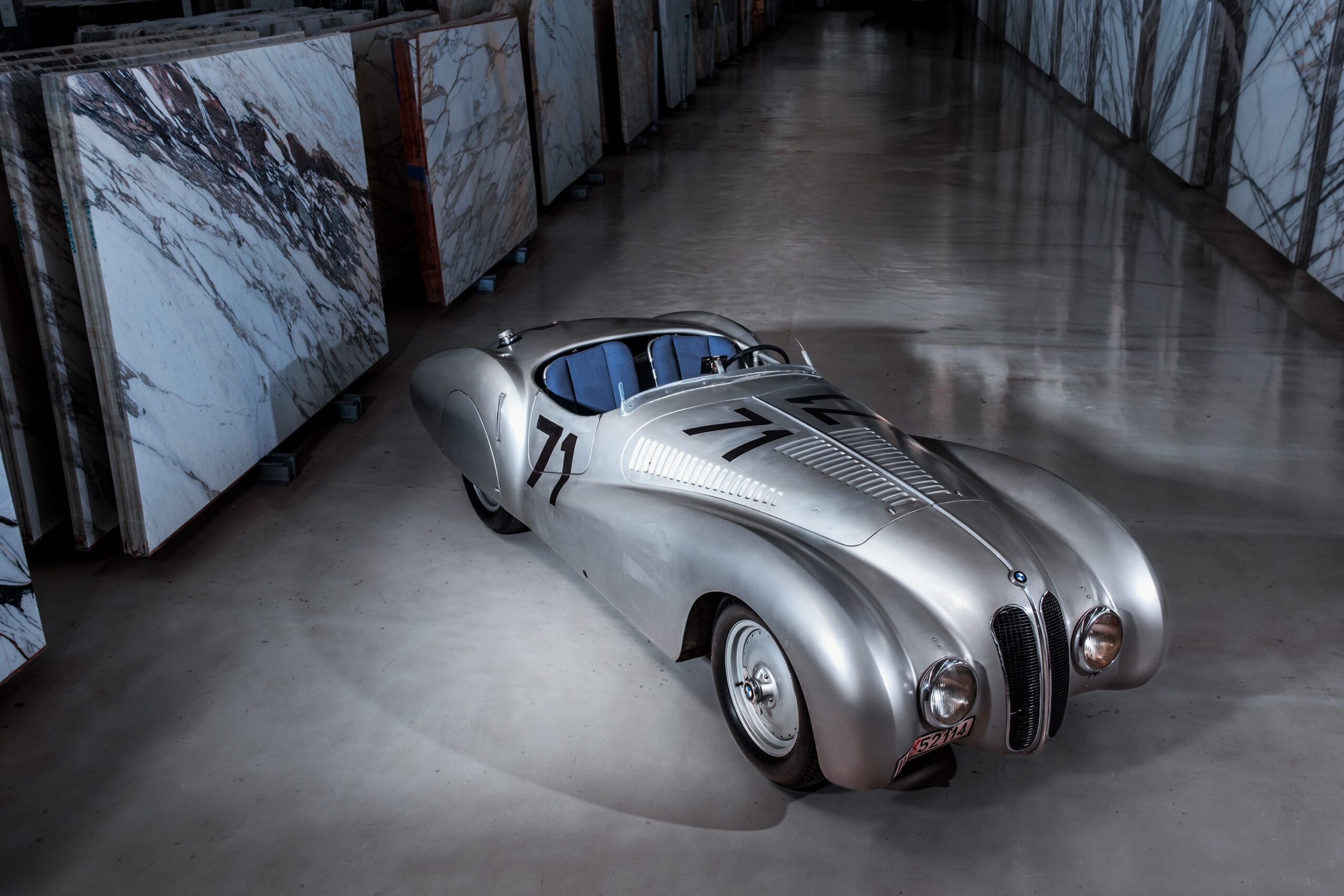
The Role
Chassis 85032 was assigned to Rudolf Schleicher’s experimental department straight from the Eisenach production line in May 1937 — not as a road car, but as a works machine from the first day of its existence. It ran Le Mans (Aldington-Fane). It ran the Tourist Trophy. In 1938, it won the two-litre class at the Mille Miglia with A.F.P. Fane and James Williams — finishing eighth overall, ahead of cars with more than twice the engine displacement. It ran the Deutsche Alpenfahrt twice — and won the two-litre class both times. By the winter of 1939, this car had done more for BMW’s motorsport programme than any other 328 in existence. And then BMW didn’t retire it. They transformed it.
Dressed for Speed
In 1938, BMW established a new department — the Künstlerische Gestaltung, which translates as Artistic Design. While Wilhelm Kaiser focused on reducing the bodywork’s structure weight, the aerodynamic shape was studied by chief stylist Wilhelm Meyerhuber. This team approached car design following the American school for the first time: sketches, renderings, plasticine scale models. These were further refined from an aerodynamic standpoint with pioneer Wunibald Kamm. This bodywork was conceived as a functional response to a performance brief — Mercedes-Benz observers thought the car was so fast thanks to its power unit while the secret was in its ultralight bodywork. The entire body structure weighed 103 kilograms. The distinctive ridge on top of the fenders is a couture seam pressed in aluminium alloy. It is the signature of a designer who understood that speed and elegance, at their highest expression, are the same thing. On 28th April 1940, Hans Wencher and Rudolf Scholz brought chassis 85032 to Brescia sixth overall. After 1,600 kilometres at speeds approaching 200 km/h, the trouser creases were still impeccable.
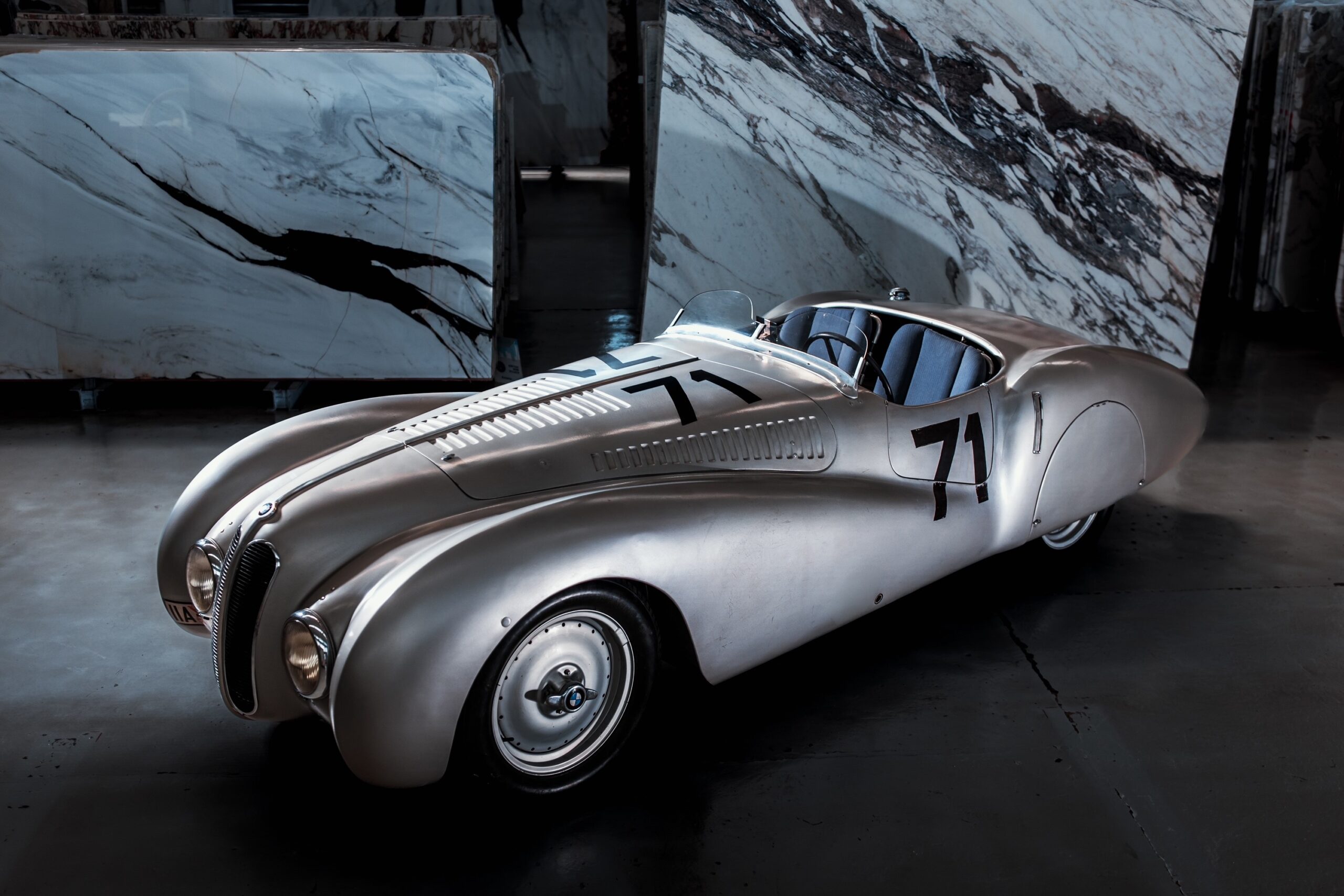
Unique Among Uniqueness
There were other streamlined roadsters at the 1940 Mille Miglia. Two were built by Carrozzeria Touring in Milan — under time pressure, to the same general brief. This one was not. Chassis 85032 is the only roadster built entirely within BMW’s own factory in Milbertshofen — by the same hands that designed it, tested it on the Munich-Salzburg Autobahn in winter, and drove it to Brescia in March 1940 to reconnoitre the route. The other Touring-bodied roadsters do not have these fender creases. They never did. The Touring cars were extraordinary competition machines. But this car represents BMW’s own internal aerodynamic vision. There is no equivalent. There is no second example.
The Odyssey
The Kronstadt Grand Prix, Romania, September 1940 — prepared, never started. Hungary entered the war. An era of European pre-war Motorsport ended. The car survived. By 1946 it was in the Soviet Union — a war trophy in the hands of Anastas Mikoyan, Politburo member and People’s Commissar for Trade. His son Alexey — MiG test pilot, friend of Vasily Stalin — drove it through the Kremlin gates without a silencer. Stalin heard it. The car was confiscated, then passed to Alexey Podkutov — taxi driver, gentleman racer — until a 1948 Soviet decree banned all foreign competition equipment. The dream faded. The car disappeared into an anonymous garage for nearly twenty years. In 1976, a young Latvian named Juris Močuļskis travelled to Moscow with a suitcase of Riga Black Balsam, Prosit chocolates, and sprats — and negotiated its purchase for 5,500 roubles. This car survived not despite its journey, but because of it. Limited resources and political isolation preserved what wealth and ambition could have destroyed.
The Restoration
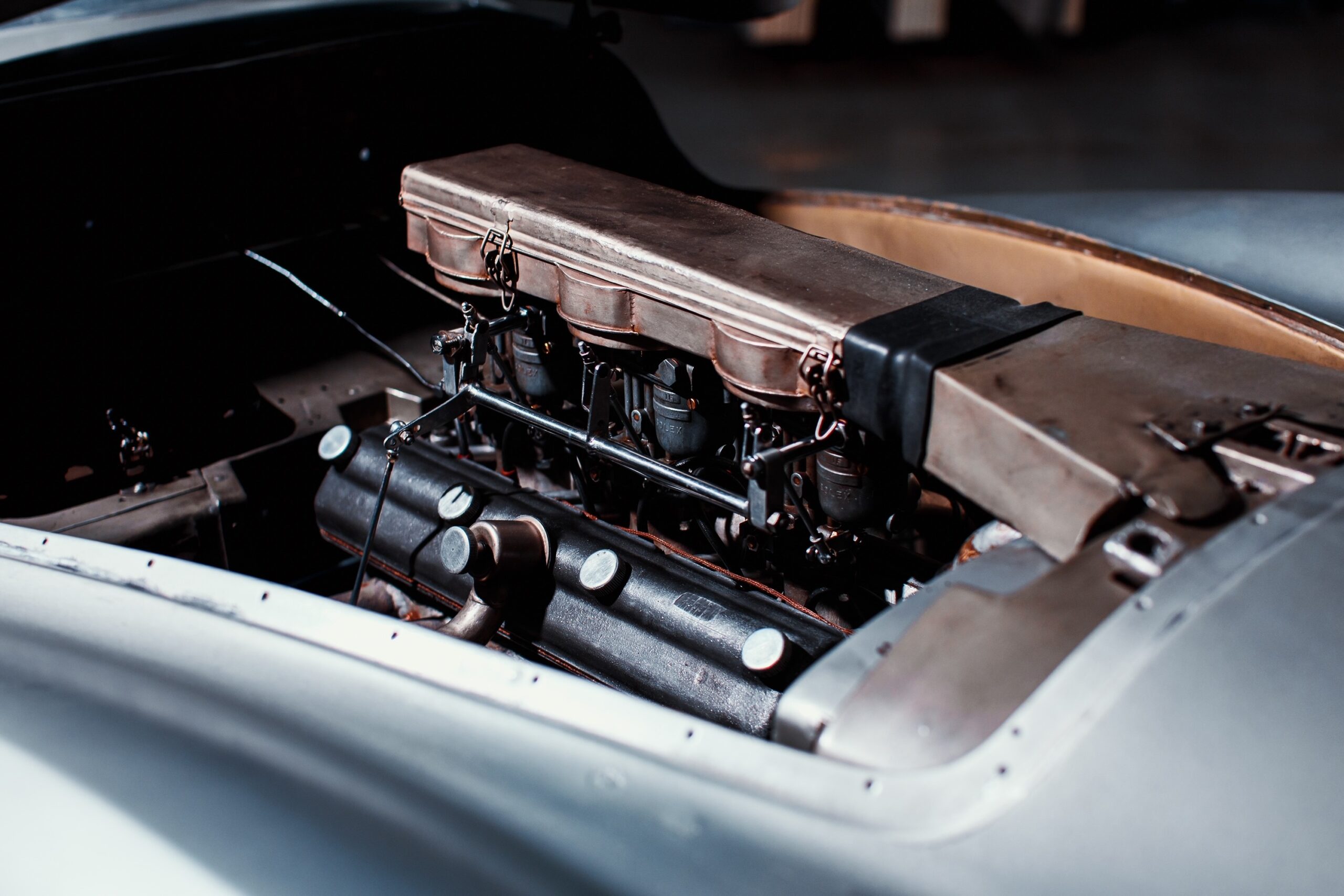
Tom Fischer’s restoration for Progetto 33 was approached as archaeology, not convention. The reference configuration: the 1940 Mille Miglia. Original components removed over decades were traced, recovered and reinstalled. The original Solex 32IF racing carburettors — which had been replaced with commercial units easier to service — were traced, restored, and reinstalled, together with the original copper pipework and ram-air intake. Mechanical systems were returned to their original specification. The original Alfin drum brakes, with their ventilated magnesium back plates — removed in favour of simpler alternatives — were recovered and returned to the car. The dashboard bouchonné finish, applied by hand in preparation for the 1940 Mille Miglia and documented only in period photographs, was studied, tested, and reinstated exactly. The Bakelite push-buttons are authentic. The magnesium-framed seats are recovered with the correct period cloth. The paint on this bodywork was applied with lacquer supplied directly to Gvido Ādamsons by BMW in 1984. It is more than forty years old. It was preserved, not replaced.
“What is ultimately more qualifying: returning the headlights to their original position, or preserving the patina that bears witness to the car’s passage through time?”
Miles C. Collier, Rétromobile 2025
Close
Ninety years after the 328 was conceived, this car is presented in the configuration it wore on the last days of pre-war European motorsport. The Bügelfalte’s shape would influence automotive design for two decades. This is the only one built within those walls in Munich and the only one that crossed the twentieth century intact. There is no other.